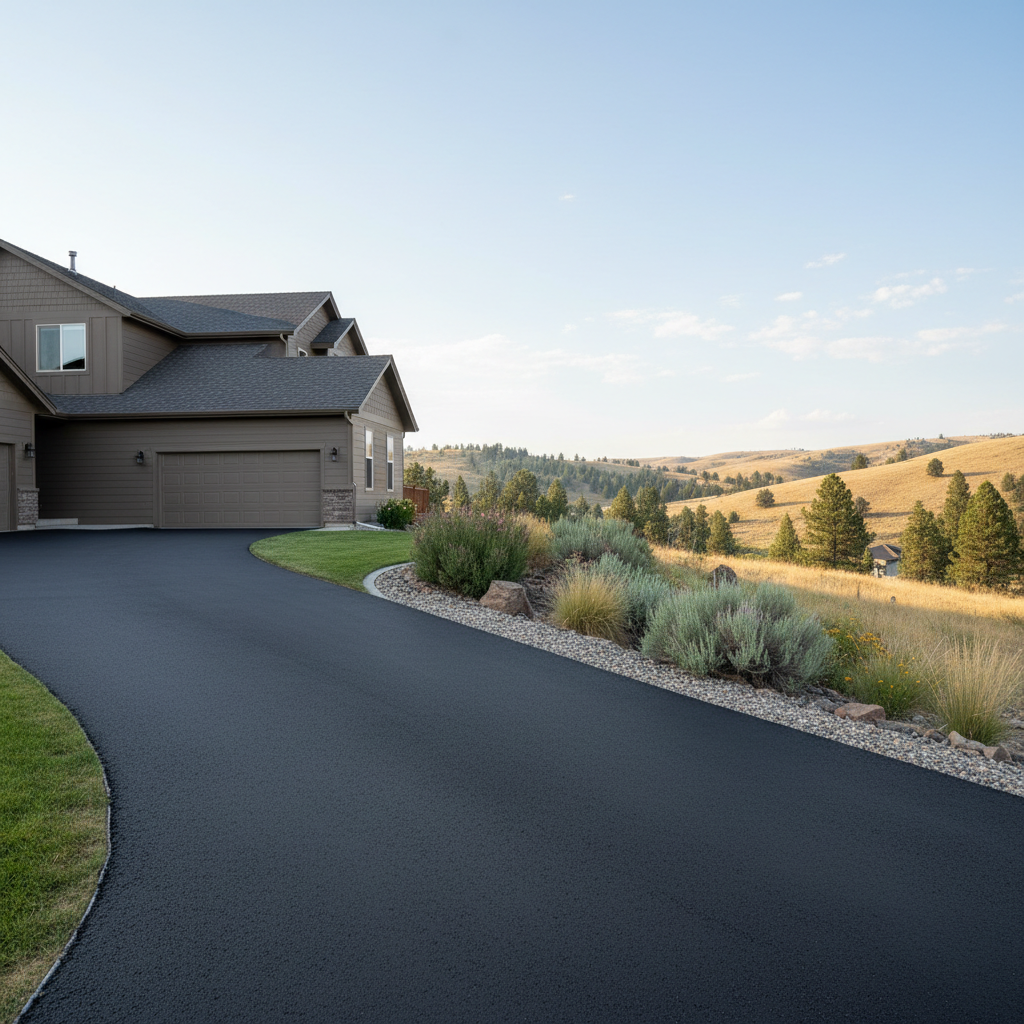
So, you've got a driveway that's seen better days, right? Maybe a few small cracks, it's a bit faded, but it's not totally falling apart. You're probably thinking, 'A slurry seal, that'll fix it right up and make it look new again.' And you're not wrong – a good slurry seal absolutely can do that. But, and this is important, I've seen too many folks here in Boise make some pretty basic mistakes. These turn what should be a smart investment into a real headache. Let's talk about what to watch out for.
Mistake #1: Slurry Sealing the Wrong Driveway
This is probably the biggest one out there. Look, a slurry seal isn't some miracle cure. It's a preventative maintenance treatment, best for asphalt that's still in decent shape. It's meant to protect and rejuvenate, not fix major damage. If your driveway has significant alligator cracking, potholes, or structural issues where the base is failing, a slurry seal is just putting a band-aid on a broken leg. Honestly, it won't last, and you'll just be throwing money away. You'd need proper asphalt patching or even a full overlay first. A good contractor, like us at Boise Asphalt Creations, will tell you straight up if your driveway isn't a candidate for slurry. Don't let anyone talk you into it if your asphalt is too far gone.
Mistake #2: Not Understanding the Prep Work
The quality of a slurry seal job? It's 90% in the prep. Seriously. You could have the best material in the world, but if the surface isn't ready, it's going to fail. I'm talking about thorough cleaning here – sweeping, blowing, power washing to get rid of all dirt, debris, oil, and loose aggregate. Then, any existing cracks need to be properly cleaned and filled. If a contractor just shows up, blows off a few leaves, and starts slinging slurry, that's a massive red flag. The slurry won't stick correctly, and you'll see it peeling or flaking off way too soon. Always ask about their prep process. If they can't clearly explain it, well, walk away.
Mistake #3: Ignoring Weather and Curing Times
Boise weather, especially in the spring or fall, can be a bit unpredictable. Slurry seal needs specific conditions to cure properly: warm temperatures and no rain. Applying slurry when it's too cold, too hot, or if rain is in the forecast is a recipe for disaster. It won't cure evenly, it might not bond, and you'll end up with a weak, streaky finish that just won't last. A reputable contractor will schedule around the weather and give you clear instructions on how long to stay off the driveway. Usually, it's 24-48 hours for foot traffic and 48-72 hours for vehicles, but that can vary. Don't rush it. I've seen folks in the North End get excited about their freshly sealed driveways and pull a car on too soon, leaving tire marks that are a real pain to fix.
Mistake #4: Going with the Lowest Bid Without Checking References
Everyone wants a good deal, I totally get it. But with asphalt work, the cheapest bid often ends up being the most expensive in the long run. There are plenty of fly-by-night operations out there that will offer a rock-bottom price, do a shoddy job, and then disappear. They might use inferior materials, skip crucial prep steps, or just not know what they're doing. Always, always check references. Look for local contractors who have been around for a while. Ask to see examples of their work. Read online reviews. A few extra dollars spent on a quality contractor will save you thousands in repairs or re-dos later. You want someone who stands behind their work, not someone who's just looking for a quick buck.
Mistake #5: Not Asking About the Slurry Mix
Not all slurry is created equal, you know. There are different types of emulsions, aggregates, and additives. Some contractors might skimp on the asphalt emulsion content or use a cheaper, less durable aggregate. This affects how long your seal lasts and how it looks. You don't need to be an expert, but asking a few questions shows you're paying attention. A good contractor will be transparent about the materials they use and why they choose them. They should be able to explain the benefits of their specific mix. If they're vague or get defensive, that's another sign to be wary.
Getting a slurry seal done right can really extend the life and improve the look of your asphalt driveway. Just make sure you're asking the right questions and choosing a contractor who knows their stuff. It'll save you a lot of grief down the road.