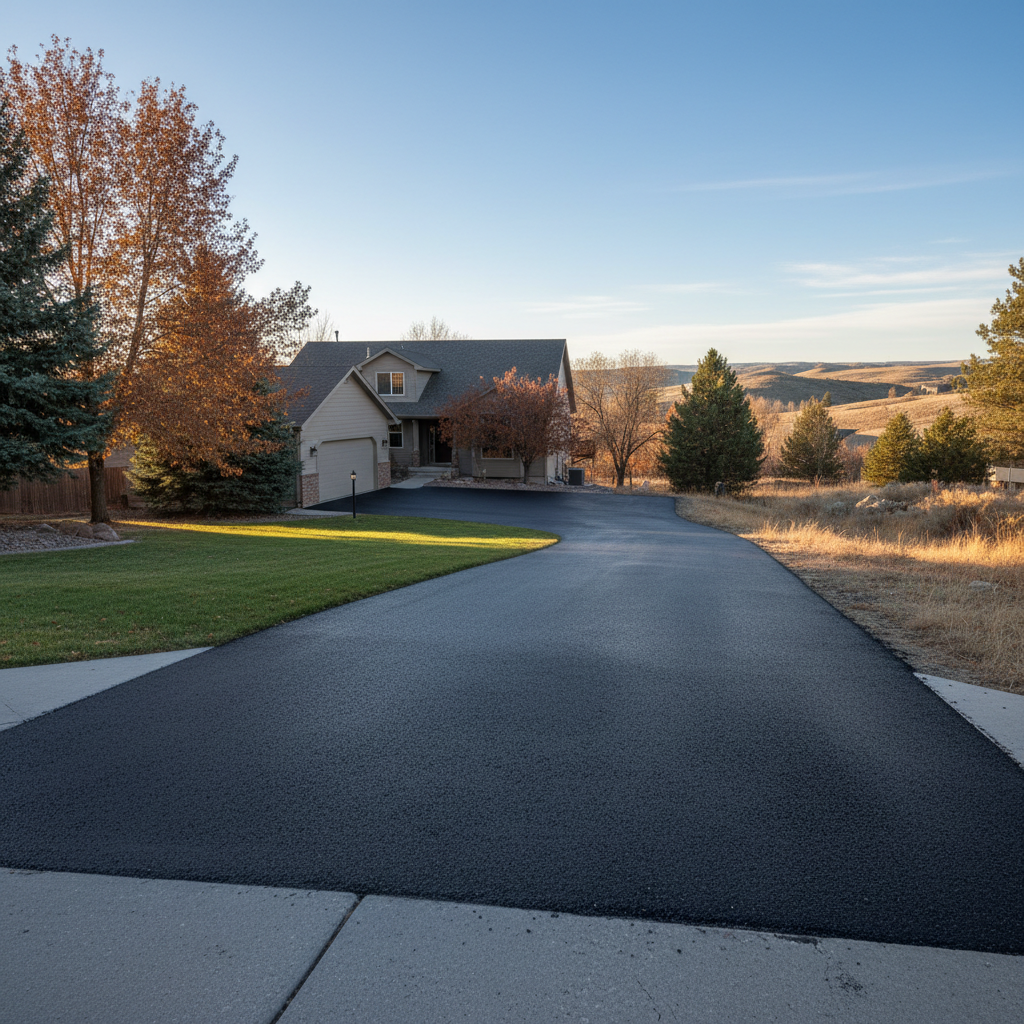
So, you’ve just invested in a slurry coat for your asphalt. Maybe it’s your business parking lot, or a community pathway, or even a long private drive out in the foothills. Good move. Slurry coating isn't just about making things look good; it's a protective layer, a sunscreen for your asphalt, really. But like anything you put money into, it needs a little care to truly last. You want to extend its life, right? Of course you do. That’s why we’re talking about maintenance today.
Extending the Life of Your Slurry Coat
The biggest thing you can do right off the bat is give it time to cure. I know, I know, everyone wants to get back to normal, but rushing it is a surefire way to mess up a fresh coat. For traffic, especially heavy stuff, you need to wait at least 24-48 hours, sometimes longer if it's been humid or cold. We’ll always tell you the exact timeframe when Boise Asphalt Creations finishes a job, but generally, give it a good two days before you're driving all over it. Think of it like fresh paint; you wouldn't touch it right away, would you?
Beyond that initial cure, be mindful of what you're putting on it. Chemicals, oil spills, gas leaks – these are all enemies of asphalt, and by extension, your slurry coat. Clean up any spills quickly. Don't let a leaky engine sit and drip all over your nice, new surface. It'll break down the binder in the slurry and leave an ugly stain that's hard to get rid of.
Another big one for us here in Idaho is snow removal. When winter hits, and we get those heavy snowfalls, be careful with plows and shovels. Metal edges can scrape and gouge the surface, especially if it's frozen solid. Try to keep the blade slightly elevated, or use a plow with a rubber edge. Same goes for shovels; don't dig down to the asphalt with a sharp metal edge. You're just asking for trouble.
Regular Maintenance: What You Need to Do
Regular maintenance for a slurry coat isn't rocket science, but it is consistent. The main thing is to keep it clean. Sweep off dirt, leaves, and debris regularly. This isn't just for aesthetics; organic matter can hold moisture against the surface, and dirt acts like sandpaper when cars drive over it, slowly wearing down the coating.
Pressure washing can be okay, but you’ve got to be careful. Don't use too high a pressure, and keep the nozzle moving. You're trying to clean it, not strip it. A good hose with a strong spray and a stiff broom usually does the trick for most residential and light commercial applications.
We don't get a ton of rain in the summer, but when we do, make sure your drainage is working. Puddles that sit for days aren't good for any asphalt surface, even one that's been sealed. Standing water can eventually penetrate the slurry and the underlying asphalt, leading to bigger problems down the road. This is especially true for properties with older, less-than-perfect drainage systems, maybe in some of those older Bench neighborhoods.
Warning Signs of Trouble
How do you know if your slurry coat is having issues? Keep an eye out for a few things. One of the most common is fading. If your nice, dark black surface starts to look gray and dull, that's a sign the sun and elements are taking their toll, and the protective qualities are diminishing. It might be time for another coat.
Cracking is another big red flag. Slurry coats are flexible, but if you start seeing hairline cracks appearing, or existing cracks in the asphalt underneath are reappearing through the slurry, that means the underlying pavement is moving or deteriorating. The slurry can only do so much to bridge those gaps.
Potholes, of course, are a major problem. If you see chunks of the slurry coat breaking away, or actual depressions forming, that's beyond simple wear and tear. It means water has likely gotten underneath and is damaging the base layers. You'll see this especially after our freeze-thaw cycles in late winter/early spring.
Finally, look for peeling or flaking. If the slurry coat isn't adhering properly to the asphalt, it'll start to lift and peel off in sheets or patches. This usually points to an issue with the initial application or surface preparation, or sometimes, a very aggressive chemical spill.
When to Call a Professional
You can handle the sweeping and the quick spill cleanups, no problem. But when those warning signs start showing up, that's when you give us a call. If you're seeing widespread fading, cracking that's more than just a few isolated lines, or any kind of significant deterioration like potholes or peeling, it's time for a professional assessment.
Don't wait until a small crack turns into a huge pothole. Addressing issues early saves you money in the long run. We can patch and repair specific areas, or if it's widespread, we might recommend another slurry coat to restore protection and appearance. Sometimes, if the underlying asphalt is too far gone, we might even suggest a more extensive repair or repaving project. We'll come out, take a look, and give you an honest opinion on what needs to be done. We're Boise Asphalt Creations; we're here to help you keep your pavement in top shape.