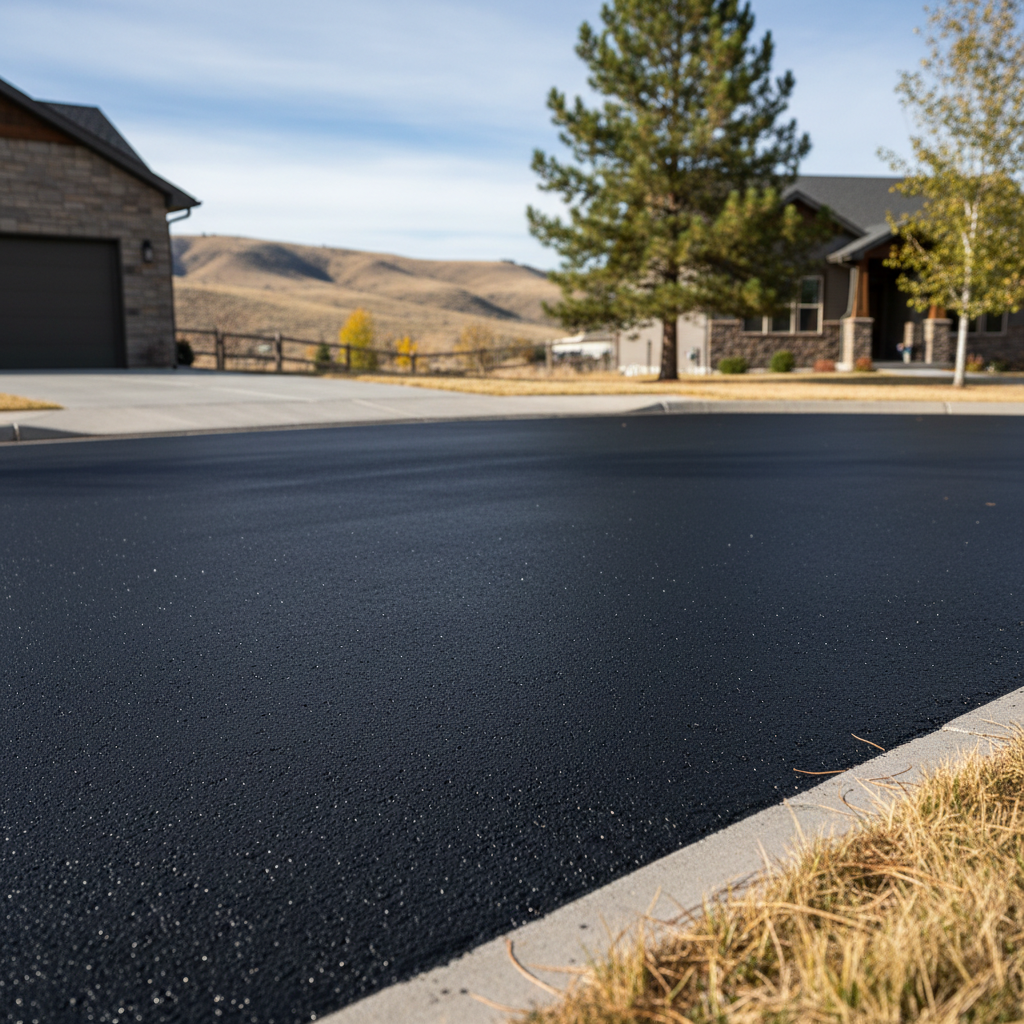
Do I really need to sealcoat my asphalt driveway?
Look, nobody needs to do anything, right? But if you want your driveway to last, to look good, and to save you money in the long run, then yeah, you really should sealcoat it. Think of it like sunscreen for your driveway. The sun, the rain, the snow, the oil drips – they all beat up your asphalt. Sealcoating puts a protective layer over it. It slows down oxidation from the sun's UV rays, prevents water from seeping into those tiny cracks and expanding when it freezes (which we get plenty of here in Boise winters), and resists chemical spills. Without it, your driveway will fade, crack, and crumble a lot faster, meaning you'll be looking at a full replacement much sooner than you'd like. It's an investment in extending the life of your pavement.
When's the best time of year to sealcoat in Boise?
This is a big one, especially with our Idaho weather. You need warm, dry conditions for sealcoat to cure properly. That means we're typically looking at late spring, summer, and early fall. Usually, from about May through September is prime time. We need daytime temperatures consistently above 50°F, and ideally, no rain for at least 24-48 hours after application. Trying to do it when it's too cold or if rain is on the way is just asking for trouble – the sealcoat won't bond right, it'll peel, and you'll have wasted your money. I've seen folks try to rush it in October when the nights are already dipping, and it just doesn't hold up. Patience pays off here.
How often should I sealcoat my driveway?
This isn't a one-size-fits-all answer, but a good rule of thumb is every 2-3 years. If your driveway gets a lot of sun exposure, or if you've got heavy traffic on it, you might lean closer to every two years. If it's in a shaded area and sees less action, you might stretch it to three. The first sealcoat on a new driveway usually comes about a year after installation, once the asphalt has had time to fully cure. After that, we assess its condition. You don't want to overdo it either; too many layers can build up and start to peel. It's about finding that sweet spot to maintain protection without creating issues.
What's the process like? How long does it take?
First, we clean the surface thoroughly. That means sweeping, blowing, and sometimes even power washing to get rid of all the dirt, debris, and loose aggregate. Then, we tackle any existing cracks. We'll fill those with a hot-applied crack filler to prevent water from getting underneath. Once the surface is clean and cracks are addressed, we apply the sealcoat. We typically do two coats for the best protection and appearance. As for time, for an average residential driveway, the actual application usually takes a few hours. The biggest factor is drying time. You'll need to stay off the driveway for at least 24-48 hours, sometimes longer if it's humid or cooler. We'll put up barricades to make sure nobody accidentally drives on it too soon. It's a pretty straightforward process, but it requires careful prep and the right conditions.
Will sealcoating fix existing cracks and potholes?
No, not really. Sealcoating is a preventative measure, not a repair solution for major damage. Think of it like painting over a hole in your wall – it doesn't fix the hole, it just covers it up for a bit. Before we sealcoat, we'll fill minor cracks, but sealcoat itself won't magically make them disappear or provide structural repair. Potholes definitely need to be patched properly before any sealcoating happens. If you've got significant cracking or potholes, we need to address those repairs first. Sealcoating on top of damaged asphalt is like putting a band-aid on a broken leg; it won't do much good.
What kind of sealcoat do you use? Is it safe for pets/kids?
At Boise Asphalt Creations, we use high-quality, commercial-grade asphalt emulsion sealers. These are water-based products. Once they're dry and cured, they're generally considered safe for pets and kids. During the application and drying process, though, you'll want to keep everyone (and everything) off the driveway. The fumes aren't pleasant, and it's messy. We'll make sure to communicate drying times clearly so you know when it's safe to resume normal activity. We prioritize safety and use products that are effective but also mindful of your family and the environment.
Why shouldn't I just DIY it with stuff from the hardware store?
You can absolutely buy sealcoat at the hardware store and try to do it yourself. Plenty of folks do. But here's what I've seen: those DIY products often aren't the same quality as what a professional uses. They're thinner, don't last as long, and don't offer the same level of protection. Plus, the application itself is trickier than it looks. Getting an even coat, dealing with cracks properly, and making sure you have the right tools and prep work – it all makes a huge difference. We've got the specialized equipment, the experience, and the right materials to do it efficiently and effectively. You're paying for a professional finish that lasts, not just a quick cover-up. It's like changing your own oil versus taking it to a mechanic; you can do it, but a pro usually does it better and faster, and you avoid potential headaches.