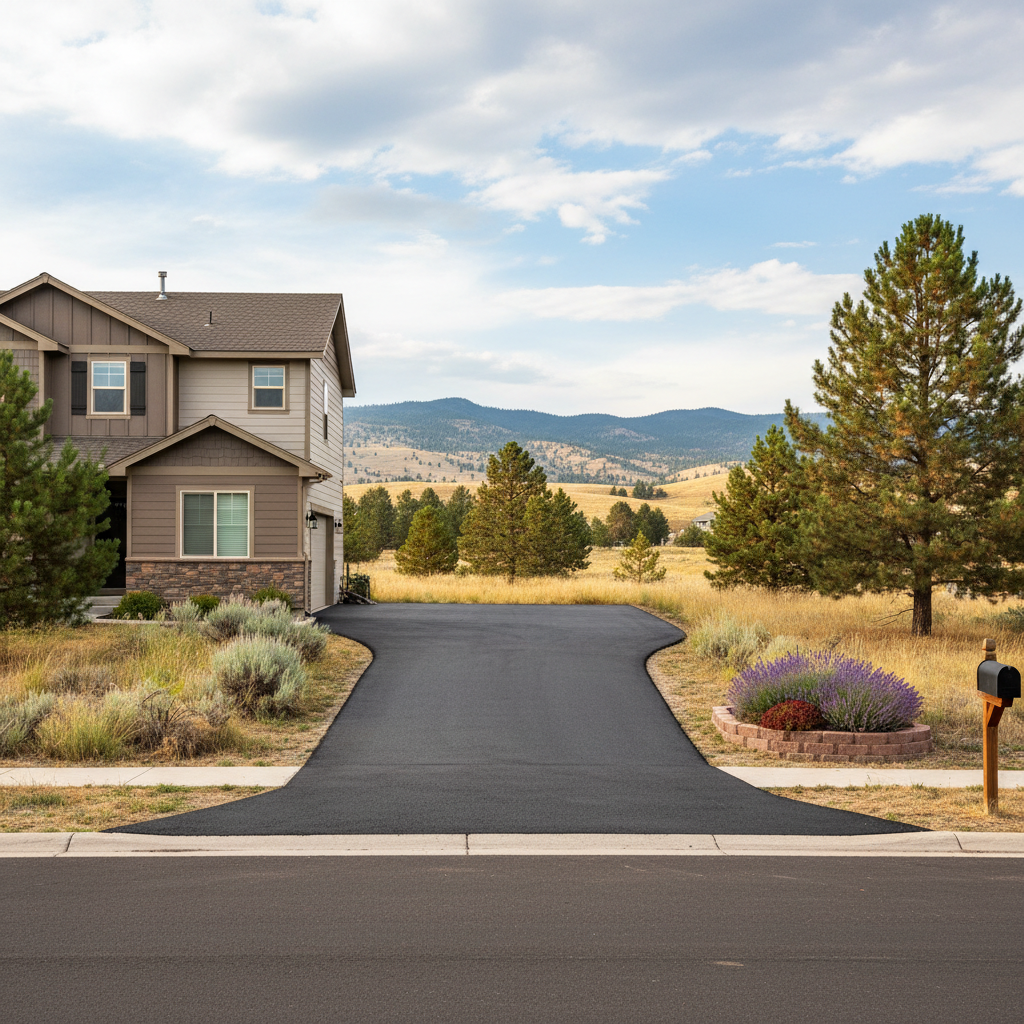
Timing is Everything for Your Boise Driveway
So, you're thinking about a new driveway, or maybe a big repair. That's fantastic! But before you even think about calling someone, let's chat about timing. Here in Boise, *when* you pave can be almost as crucial as *who* does the paving. I've been at this for a long time, and believe me, I've seen what works and what absolutely doesn't with our specific weather patterns.
We get some pretty wild weather swings around here, don't we? Blazing hot summers, freezing cold winters, and that whole freeze-thaw cycle that can really mess with everything from your garden to your asphalt. That's exactly why you can't just pave whenever you feel like it and expect the job to last.
When's the Best Time to Pave Asphalt in Boise?
Hands down, spring and fall are your go-to seasons for asphalt paving in Boise. Want to know why?
Spring (Late March to Early June): Once the ground thaws out completely and we're mostly past the risk of hard freezes, spring is just perfect. The ground is stable, and temperatures are usually mild enough for the asphalt to cure right, without getting too hot too fast. We really need ground temperatures to stay above 45-50 degrees Fahrenheit for good adhesion and compaction. You'll often spot us busy around the North End and Highlands neighborhoods this time of year, getting new driveways in before the summer heat really kicks off.
Fall (September to Late October/Early November): This is another sweet spot. The scorching summer heat has passed, but the ground hasn't frozen solid yet. Again, those consistent mild temperatures are key. They let the asphalt cool and harden gradually, which makes for a stronger, more durable surface. We're always keeping a close eye on those overnight lows, though; if it looks like it'll dip too far below freezing, we'll definitely hold off.
What About Summer and Winter?
People ask me about paving in summer and winter all the time. Here's the scoop:
Summer (July and August): It gets hot. Really hot. While we *can* technically pave during the summer, it's not really ideal for the long-term health of your driveway. When the asphalt mix is too hot, it can be harder to compact correctly, which can lead to a less dense surface. Plus, that extreme heat can make the asphalt cool too quickly or even crack if we don't handle it perfectly. If your project is super urgent, we can certainly make it happen, but we'll take extra precautions. Think of it like baking a cake – you don't want to rush it or burn it, right?
Winter (November to March): This is generally a no-go for new paving. Asphalt needs warm temperatures to cure and compact properly. Trying to pave when the ground is frozen or when air temperatures consistently stay below 45 degrees is just asking for trouble. You'd end up with a brittle, weak driveway that won't last. We might do small, emergency patch work if it's absolutely necessary, but major paving projects are off the table. The freeze-thaw cycles we get in Boise during winter would just destroy any fresh asphalt laid in cold conditions.
The Role of Weather Conditions
Beyond just the season, the daily weather plays a huge part. We're always glued to the forecast, watching for:
Temperature: Like I said, consistent mild temps are best. Not too hot, not too cold.
Rain: We simply cannot pave in the rain. Period. Asphalt needs a dry surface to bond correctly. If it's raining, or if the ground is soaked, we'll reschedule. It's just not worth risking the quality of your driveway.
Wind: Strong winds can cool the asphalt too quickly, making it tougher to work with and compact effectively. It also makes it a pain to keep the work area clean.
When you call Boise Asphalt Creations, we're not just glancing at the calendar; we're looking at the 5-day forecast, checking ground conditions, and considering everything else that impacts a quality job. We want your driveway to last for years, not just look good for a few months.
Protecting Your Investment Year-Round
Once your driveway is in, you'll want to protect it. Here are a few quick tips:
Sealcoating: Think of this as your driveway's sunscreen and raincoat. It protects against UV rays, water seeping in, and chemicals. I usually tell folks to sealcoat every 2-3 years, depending on how much traffic it sees and how much sun it gets.
Crack Filling: See a crack? Fill it. Don't wait around. Water is asphalt's worst enemy, especially with our freeze-thaw cycles. A small crack can turn into a big pothole before you know it.
Drainage: Make sure water flows *off* your driveway, not pools on it. Proper grading is super important, and if you have any issues, deal with them fast.
Heavy Loads: Try to avoid parking heavy RVs or equipment on your driveway for long stretches, especially during those hot summer months when asphalt is softer.
Ultimately, getting your paving done at the right time, then following up with consistent maintenance, will give you a driveway that really stands up to Boise's climate for years to come. Don't hesitate to reach out if you've got questions about your specific project. We're always happy to talk asphalt.