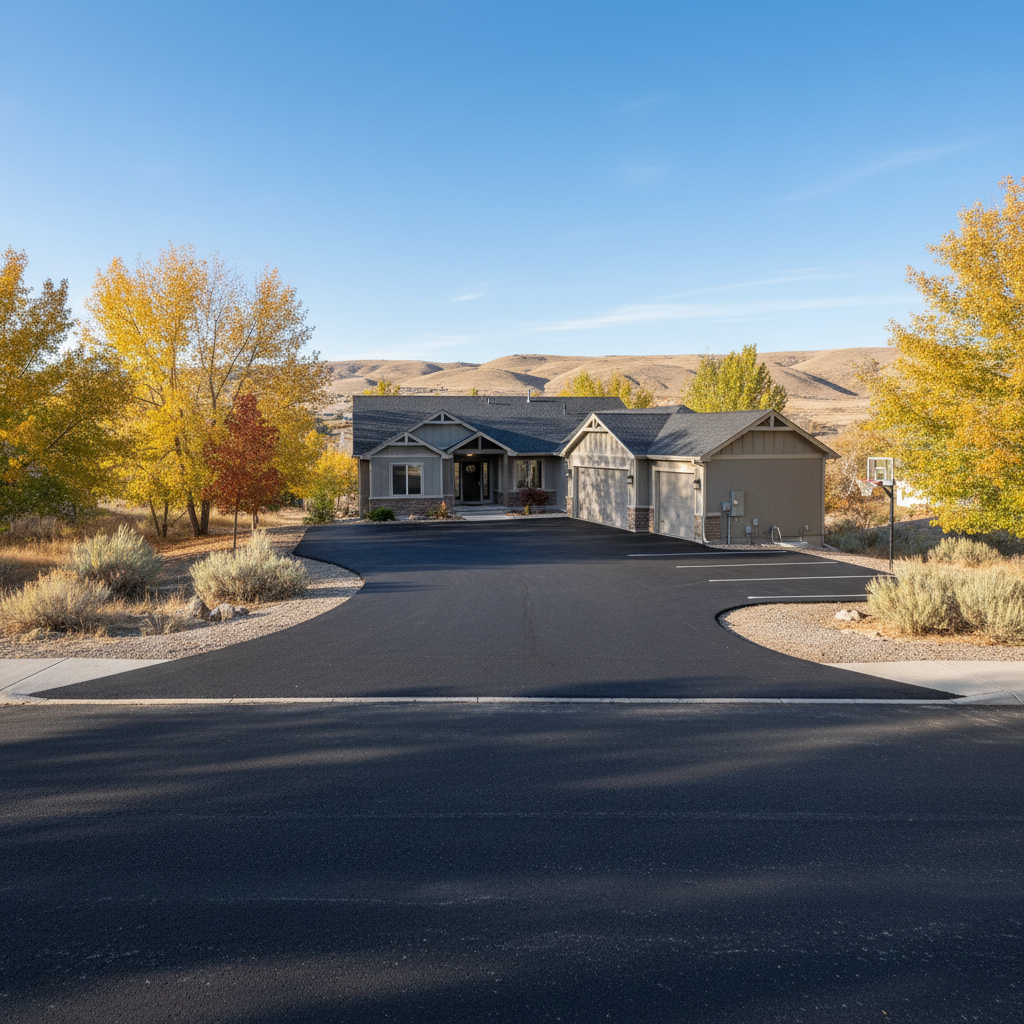
Timing Your Commercial Asphalt Projects in Boise
Running a business here in Boise, you've already got plenty on your plate. The last thing you need is to worry about your parking lot falling apart, right? But when it comes to commercial asphalt, getting the timing right is absolutely key. You can't just pave whenever you feel like it; the weather we get in the Treasure Valley really dictates how long that new surface will hold up.
For most asphalt jobs, especially putting down new pavement or doing big overlays, the sweet spot is usually late spring through early fall. We're talking May to September. Why then? Well, asphalt needs steady, warm temperatures to cure correctly. When the ground's warm and the air consistently stays above 50 degrees Fahrenheit, the asphalt mix stays flexible longer. That means we can compact it better, and it forms a stronger bond. You want that new pavement to be tough, not brittle, and warm weather helps make it that way.
Trying to pave when it's too cold, say in November or March, just invites problems. The asphalt cools down way too fast, making it super hard to compact properly. What you end up with is a weaker surface, one that's much more likely to crack and fail sooner than it should. We've certainly seen it happen. Honestly, it's just not worth trying to save a few bucks by rushing a job when the weather isn't cooperating. You'll only pay more for repairs down the road.
Weather Conditions That Really Matter for Asphalt Work
Beyond just temperature, a few other weather factors are super important. You might be surprised how many folks don't even think about these.
- Rain: This one's pretty obvious, isn't it? You simply can't pave in the rain. Asphalt needs a dry surface to stick properly. Even a light drizzle can mess up the bond between layers or stop proper compaction. For sealcoating, we need a dry forecast for at least 24 to 48 hours after we put it down.
- Ground Temperature: People often overlook this. Even if the air feels nice and warm, if the ground's still cold from winter, it'll suck the heat right out of the asphalt mix too fast. That's why we hold off until late spring. The ground just needs to warm up first.
- Humidity: High humidity can slow down how quickly sealcoats and other liquid applications cure. It's not a deal-breaker for hot mix asphalt, but it's definitely something we keep an eye on.
- Wind: Strong winds can cool asphalt mixes faster. Plus, they can blow debris onto a freshly prepped surface, which is a real headache. For sealcoating, wind can also lead to uneven application or even spray over onto nearby surfaces.
We're always checking the forecast, sometimes every hour, before and during a project. We have to be flexible. If the weather changes for the worse, we'll reschedule. It's always better to delay a day or two than to do a shoddy job that won't last.
Protecting Your Commercial Asphalt Investment Year-Round
Once you've got that beautiful new parking lot or access road, you'll want to keep it looking good and working well. Boise's climate, with its scorching summers and freezing winters, can be pretty brutal on asphalt. Here's how to protect your investment:
- Regular Sweeping and Cleaning: Dirt, debris, and gravel can act like sandpaper on your asphalt, especially with all that vehicle traffic. Sweeping regularly stops this kind of wear and tear. It also keeps your business looking sharp, which customers definitely notice.
- Prompt Crack Sealing: This is probably the most important thing you can do. Cracks are like open doors for water. When water gets into those cracks and then freezes in the winter, it expands and makes the cracks even bigger. That's how potholes start, you know? Get those cracks filled as soon as you spot them. We're talking about the freeze-thaw cycles we get out here, especially in areas like the North End, where older asphalt might be more vulnerable.
- Sealcoating: Think of sealcoating as sunscreen for your asphalt. It shields the surface from UV rays, keeps water from seeping in, and protects against oil spills. It also brings back that rich black color, making your property look newer and more inviting. For commercial properties, I usually suggest sealcoating every 2-3 years, depending on how much traffic it sees and the pavement's overall condition.
- Drainage Maintenance: Make sure your drainage systems are clear and actually working. Water pooling on your asphalt is a huge enemy. It softens the base, leads to cracking, and eventually, potholes. Keep those drains free of leaves and other debris.
- Address Oil and Chemical Spills Immediately: Petroleum products break down the binders in asphalt. If you see an oil spill, clean it up right away. Absorbent materials work best for this.
Look, you've put good money into your commercial property. Taking these steps isn't just about how it looks; it's about making your asphalt last longer and avoiding much more expensive repairs down the line. We, at Boise Asphalt Creations, are always happy to come out, take a look, and give you an honest assessment of what your commercial pavement needs. Don't wait until it becomes a major headache.