What's Asphalt Milling, Anyway?
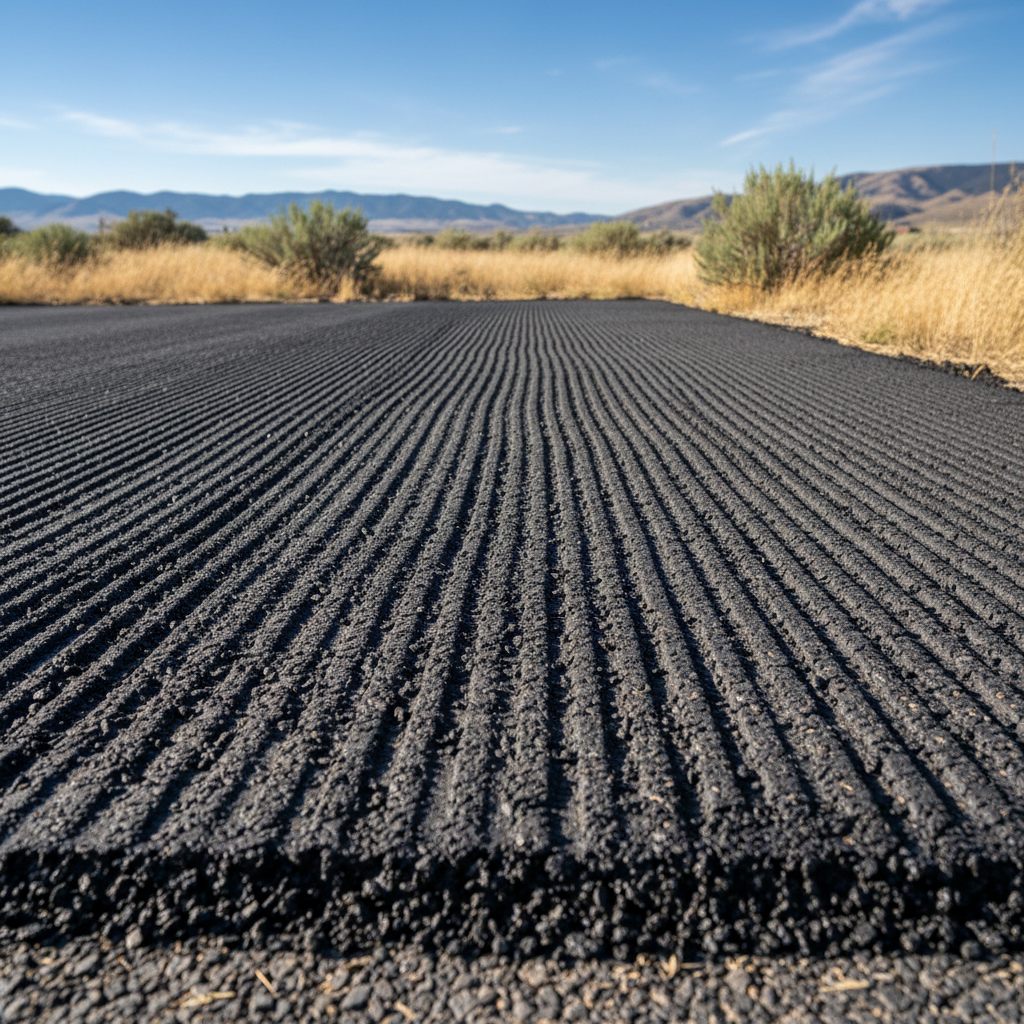
You've probably heard of asphalt paving, right? Well, milling is sort of the opposite, but for a really good reason. Instead of adding new asphalt, we actually take some away. Picture it like a giant planer for your driveway. A special machine shaves off the top layer of your existing asphalt, leaving a rough, textured surface behind. We don't dig all the way down to the dirt, mind you; we just remove that damaged or worn-out top layer.
Why bother with this? Usually, it's because your asphalt is showing its age. Maybe cracks are spreading everywhere, potholes are starting to form, or perhaps it's just gotten too high over the years from having multiple overlays. Milling gets rid of those headaches without you having to rip out the whole thing. It’s a pretty cost-effective way to get ready for a new, smooth surface.
When Does Milling Make Sense for Your Place?
Milling isn't always the perfect answer, but it's a solid choice in a few common situations:
- Your driveway has some serious cracking or "alligatoring," but the base underneath still feels pretty solid.
- You're dealing with drainage problems because the asphalt has built up too high over time. This happens a lot in older neighborhoods, like Boise's North End, where driveways might have been overlaid more than once.
- You need to keep a specific grade or elevation – say, at the garage door or where it meets the street – and another layer of asphalt would just make it too tall.
- You're looking for something easier on the wallet than a full tear-out and replacement, but still want a repair that lasts.
Now, if your driveway is completely shot – I mean, major base failures or huge sections crumbling – then milling probably won't cut it. That's when you're likely looking at a full reconstruction. But for many driveways that are just tired and worn, milling is a smart move.
Before the Milling Crew Shows Up
Okay, so you've decided milling is the way to go. What do you need to do on your end?
- Clear the area: This sounds obvious, but honestly, you'd be surprised. Move cars, boats, RVs, trash cans, planters, anything that's on or even close to the asphalt. We need clear access.
- Mark utilities: If you've got any sprinkler heads, buried dog fences, or shallow utility lines near the edge of your driveway, mark them clearly with flags or spray paint. We're careful, but these machines are big and powerful.
- Chat with your neighbors: Milling can get noisy, and there will be trucks coming and going. A little heads-up to your neighbors goes a long way, believe me.
- Understand the plan: Make sure you've talked with your contractor about exactly which areas will be milled and how deep. At Boise Asphalt Creations, we make sure you're clear on the scope before we even lift a finger.
What can you DIY? Not much on the actual milling part itself. This isn't a job for a shovel and a strong back, no sir. You need heavy equipment and skilled operators. But clearing the area and marking utilities? Absolutely, you can handle that.
During the Milling Process
When the crew arrives, you'll see some serious machinery. The milling machine itself is huge, and there will be dump trucks to haul away the milled material (which, by the way, often gets recycled for other road projects – pretty cool, right?).
- Expect noise and dust: It's a construction site, after all. There will be noise, and yes, there will be some dust. We do our best to keep it under control, but it's just part of the job.
- Stay clear: For your safety and ours, please keep a good distance from the equipment while it's running. Keep pets and kids inside or well away from the work zone.
- Watch the progress: It's actually pretty fascinating to see. The machine will systematically remove that top layer, leaving behind its distinctive ridged surface.
The crew will work efficiently. Depending on your driveway's size, milling can be done in just a few hours or maybe a full day. Once the milling is complete, we'll sweep the surface clean, making it ready for the next step – usually a new asphalt overlay.
After the Milling: What's Next?
Once the milling is done, you'll have a rough, textured surface. This isn't the finished product, of course, but it's a stable base. You can drive on it, though it won't be as smooth as finished pavement. It's usually best to get the new asphalt overlay done fairly quickly after milling to protect that exposed base and prevent any weather-related issues, especially with our Boise winters that can bring those nasty freeze-thaw cycles.
That milled surface provides an excellent bond for the new asphalt layer. The rough texture really helps the new material stick much better than if we were just paving over a smooth, worn-out surface. This means a stronger, longer-lasting driveway for you, which is what we all want, isn't it?
If you're thinking about milling for your home, give us a call at Boise Asphalt Creations. We're happy to come out, take a look, and give you an honest assessment of whether it's the right solution for your particular situation.