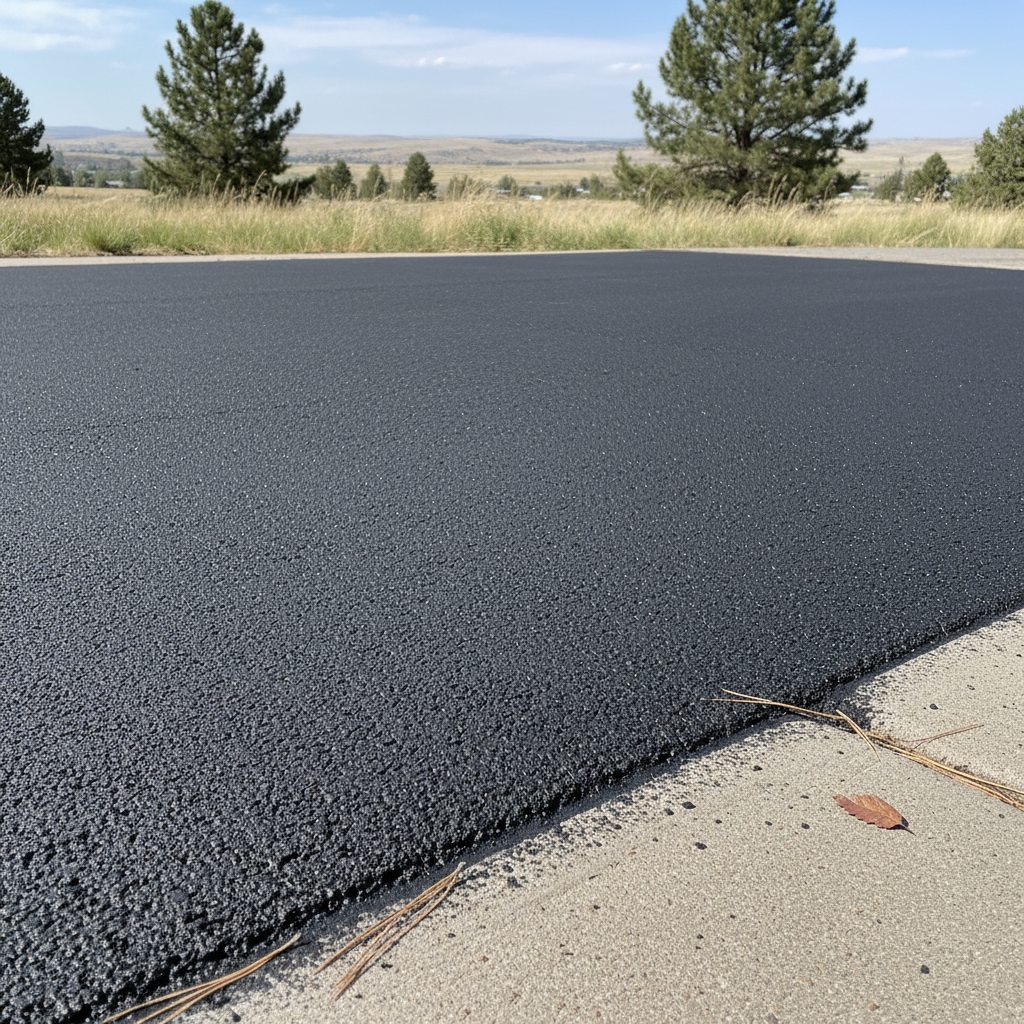
Walk out to your asphalt driveway on a hot July afternoon in the Boise Bench and notice your asphalt is looking dry, oxidized, or gray. The sun beats down hard in Boise, ID, oxidizing the binder that holds your asphalt pavement together. Property owners researching ways to protect asphalt often run across Slurry Coating. Slurry Coating is a heavy-duty cousin to standard sealcoating that adds a mixture of emulsified asphalt, water, and fine aggregates right back onto the surface. Boise Asphalt Creations outlines how to figure out if your property needs Slurry Coating and how to handle the process from start to finish.
Before You Start: Assessing Your Pavement
Before you purchase materials or call an Asphalt Contractor, take a close look at the condition of your asphalt. If your driveway has minor surface raveling, tiny hairline cracks, or fading from years of Idaho winters and baking summers, Slurry Coating can work wonders. If your asphalt has alligator cracking spanning half the driveway or deep structural depressions where water pools every time it rains, a slurry coat is not enough.
Property owners must draw the line between DIY work and calling in a professional crew like Boise Asphalt Creations. Cleaning the surface, pulling weeds out of expansion joints, and filling small cracks with a pourable rubberized filler are manageable weekend projects. Heavy-duty surface prep, commercial-grade emulsion mixing, and spreading thousands of pounds of aggregate evenly across a sloped incline require specialized equipment and an experienced crew.
During the Project: Prep and Application
Timing is very important around the Treasure Valley. Property owners cannot apply a slurry coat in November when the frost is setting in, nor during a high heatwave where the mix dries before application. Late spring or early fall when daytime temperatures sit comfortably between 70 and 85 degrees provides the ideal window for Slurry Coating.
- Clear every speck of dirt, leaves, and debris using a leaf blower and a stiff-bristle broom.
- Degrease any oil spots left by vehicles or lawn equipment, otherwise the coating will not bond properly.
- Keep vehicles parked safely on the street well before application begins.
Professional crews from Boise Asphalt Creations arrive with specialized equipment, laying down a uniform layer that locks in loose aggregate and fills minor surface voids. Property owners attempting a smaller DIY version using a squeegee grade product from a local store must work in manageable sections so the material does not dry out too quickly.
After the Coating: Curing and Upkeep
Once the application is down, patience is important. Do not rush to pull vehicles back into the driveway just because the surface looks dry. The dry air in Boise, ID helps surface evaporation, but the underlying emulsion still needs time to cure completely. Give the asphalt at least 24 to 48 hours of uninterrupted drying time with zero vehicle traffic and no lawn sprinklers hitting the edge. Once the Asphalt Sealing cures, property owners will notice a rich, dark texture that gives tires plenty of grip when autumn rain rolls through.